
Indoor Herb Gardening: Potting Techniques and Tips
Intro
Indoor herb gardening offers a refreshing oasis within the four walls of a home, bridging the aroma of nature with culinary creativity. Many people underestimate the potential of window sills and small spaces to house a vibrant, thriving herb garden. The process of potting herbs not only enhances the decor but also provides access to fresh flavors and health benefits. However, successful indoor herb gardening entails more than just placing a few seeds in the soil. It requires a thorough understanding of various factors such as container selection, soil quality, watering techniques, light requirements, and ongoing maintenance.
Cultivating herbs indoors is an engaging activity that can delight anyone, from seasoned gardeners to newcomers eager to green their fingers. This guide aims to articulate the essential techniques and considerations needed for potting herbs successfully indoors. Each step will be explored in detail, shedding light on what choices to make and pitfalls to avoid. Let’s dig deeper into the world of indoor herbs, making your home not just a dwelling but a green sanctuary.
"A garden is a delight to the eye and a solace for the soul."
Overview of Key Points
- Container Selection: Selecting the right pots can set the foundation for healthy growth.
- Soil Quality: Using nutrient-rich soil plays a pivotal role in the herbs' vitality.
- Watering Techniques: Finding the balance is crucial; too little or too much can be detrimental.
- Light Requirements: Herbs need the right amount of light to flourish, whether it's natural or artificial.
- Ongoing Maintenance: Regular care and attention ensure your indoor garden stays lush and productive.
Prologue to Indoor Herb Gardening
Indoor herb gardening is more than just a decorative addition to your home; it's a vibrant way to breathe life into your space. As a growing number of people seek to cultivate plants in their living environments, the importance of understanding how to successfully pot and care for herbs cannot be understated. Initiating your journey into indoor herb gardening enables you to have access to fresh herbs right at your fingertips, essentially turning your kitchen into a mini oasis of flavor. Not only does this practice provide a culinary edge, but it also contributes to enhanced air quality and improved mood.
The Benefits of Growing Herbs Indoors
Growing herbs indoors can yield an array of benefits that range from practical to sensory delights. Here’s a closer look at some key advantages:
- Fresh Flavors: There's a distinct difference between store-bought and home-grown herbs. Having fresh basil, thyme, or mint right within arm’s reach means you can whip up a flavorful dish without stepping foot outside.
- Cost Efficiency: Purchasing fresh herbs at the grocery store can accumulate quite a tab over time. Growing your own means zero spending and maximum flavor leftovers.
- Aromatic Ambiance: Certain herbs not only dazzle your palate but also bring delightful scents to your home. Imagine entering your kitchen to the fresh smell of rosemary or cilantro wafting through the air, uplifting spirits and creating an inviting atmosphere.
"The only difference between a rut and a grave is in their dimensions. Grow herbs and cultivate joy within your home!"
- Learning Experience: For those keen on sustainability, indoor herb gardening offers an opportunity to learn about plant biology, nurturing, and environmental awareness. You engage more deeply with the ecosystem around you.
- Health Benefits: Many herbs boast medicinal properties that can contribute to a healthier lifestyle. For example, growing chamomile can aid in sleep, while growing ginger could bolster your immune system—two beneficial additions to any home garden.
Selecting the Right Herbs for Indoor Growth
When it comes to selecting herbs for indoor growth, understanding what thrives in your environment is paramount. Not all herbs will flourish under the same conditions. Here are some pointers to consider:
- Light Conditions: Take note of the sunlight your windows receive throughout the day. Some herbs like basil, cilantro, and rosemary love bright light, while others, such as mint and parsley, are more forgiving and can tolerate moderate light.
- Space Requirements: Assess the available space. If you have limited room, opt for small herbs like chives or thyme that don’t require extensive area for growth. On the other hand, if you’ve got a bit of room, consider larger herbs like dill or oregano.
- Your Usage: Think about culinary preferences. If you’re a fan of Italian cuisine, basil and oregano are essentials. For those who enjoy Asian dishes, coriander and lemongrass could be more appealing.
- Allergies and Diet Needs: It’s essential to consider any allergies or dietary restrictions you have. If you’re sensitive to certain herb families, be cautious about what you choose to cultivate.
Essential Materials for Potting Herbs
When it comes to nurturing herbs indoors, the right materials are the backbone of your success. Choosing the appropriate containers, high-quality potting soil, and understanding drainage requirements make a world of difference in ensuring that your herbs not only survive but thrive. This section digs into these essential materials, offering insights into their significance and practical tips for optimal use.
Choosing the Appropriate Containers
Selecting the right container might seem like a small detail, but it packs a punch in terms of impact on your herbs’ health. Think of the container as a cozy home for your plants. It's not just about appearance; functionality matters too. Containers should have enough depth and width to accommodate root growth while facilitating that all-important airflow.
Here are some points to consider:
- Size: Go for containers that are at least six to eight inches deep for most herbs. This provides ample room for root systems to develop.
- Material: Common materials include terracotta, plastic, and ceramic. While terracotta is great for moisture control, plastic options can be lightweight and less prone to breaking.
- Style: Aesthetic choices can liven up your indoor spaces. Choose colors and designs that complement your decor, but don’t overlook practicality.
Adopting good practices in container selection leads to more resilient plants.
Selecting High-Quality Potting Soil
The foundation of healthy herb growth is undoubtedly the soil. Ordinary garden soil simply won’t cut it for indoor containers. High-quality potting soil is designed specifically for potted plants, offering drainage, aeration, and nutrient retention. Think of it as the nutrient-rich buffet your herbs need!
Here’s what to look for in potting soil:
- Ingredients: A good mix includes peat moss, perlite, and vermiculite. These materials ensure good drainage and aeration while holding onto moisture.
- Organic Options: If you want to take it a step further, consider using organic potting soil that’s devoid of chemical fertilizers. This is particularly important if you plan to use your herbs in cooking later on.
- pH Balance: Most herbs prefer a slightly acidic to neutral pH (around 6.0 to 7.0). Ensuring your soil falls within this range is crucial for nutrient uptake.
Investing in high-quality potting soil is a step that rewards you in the long run with healthy growth and abundant flavors.
Understanding Drainage Requirements
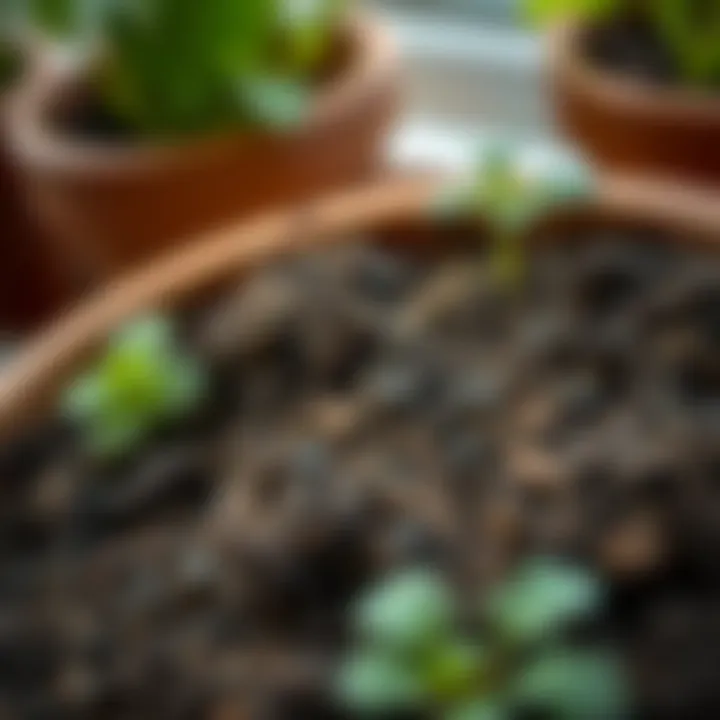
No serious herb gardener can afford to overlook drainage. Indoor herb pots need to be equipped to manage excess moisture to prevent root rot, a sure kiss of death for your prized plants. Think of it like this: too much water is like overstuffing a suitcase. It just won’t work.
So how can you ensure proper drainage?
- Drainage Holes: Always choose containers that have good drainage holes at the bottom. This allows any excess water to escape, keeping the roots from drowning.
- Layering: Create a drainage layer in the bottom of your pot with materials like small stones or gravel. This gives water a place to escape before saturating the soil.
- Monitoring: Keep an eye on your watering habits, particularly since indoor environments can vary greatly in humidity and temperature, influencing how quickly the soil dries out.
In summary, understanding and implementing these drainage strategies pays off by ensuring your herbs stay healthy and vibrant.
"With the right materials—containers, potting soil, and attention to drainage—you're setting your indoor herbs up for success. A solid foundation is the first step toward a thriving indoor garden."
By grasping these essential elements, you're well on your way to creating an indoor herb paradise. Whether you envision a small windowsill garden or a broader herb collection, these foundational materials will serve you well.
Step-by-Step Herb Potting Process
Potting herbs correctly is a crucial step in your journey towards a flourishing indoor garden. This process lays the groundwork for healthy growth, maximal yield, and an enjoyable cultivation experience. Essentially, how you handle this stage can make or break your endeavor. Therefore, understanding the nuances of each phase in potting will ensure your herbs thrive in their new home.
Preparing the Container
The first impression your herbs get starts with their container. This step is not merely about choosing any old pot you have lying around. Selecting the right container goes beyond aesthetics; it also emphasizes functionality. Look for pots that allow for adequate drainage. Terracotta is a popular choice because it breathes well. Alternatively, plastic containers are light, affordable, and available in diverse styles.
When preparing your container, inspect it closely. If it's been used before, give it a good scrub to eliminate any plant residues or potential pests. This is your chance to ensure a clean slate for your new plants. If the pot lacks drainage holes, you might be inviting trouble; roots in standing water are like fish out of water, just begging to rot. For good measure, you can add a layer of small stones or gravel at the bottom. This improves the drainage and keeps soil from slipping out through the holes.
Filling the Container with Soil
Now, onto the soil – this is the lifeblood of your herbs. Not all soil is created equal; choosing high-quality potting soil is essential for indoor herb gardening. Avoid garden soil as it can be too dense, leading to waterlogging. Instead, opt for potting mix that contains components designed for aeration and drainage.
Fill the container about two-thirds of the way full, leaving enough room for the plants and some additional soil for settling in. Pack the soil lightly but firm enough that it can support the roots without leaving large air pockets. If you plan to mix in some organic compost, now's a fine time. This will generally enhance nutrient content and benefit your plants in the long run.
Planting the Herbs
Now, the moment you’ve been waiting for – it’s time to plant your herbs! Start by making small depressions in the soil according to the size and depth needs of your chosen herbs. For example, basil and parsley might prefer a few inches deep, while chives can do with a shallower hole.
Gently remove each herb from its nursery pot. Be careful not to disturb the root ball too much. In some cases, roots can be a bit tangled; it’s alright to loosen them slightly if they appear to be circling around.
Place the herb in its little bed, ensuring it’s centered and stable. Pack the soil around the base lightly, supporting the stem without burying it too deep. Don’t forget to water the herbs right after planting. This helps to settle the soil around the roots and provides the initial moisture they need to adapt to their new surroundings.
By following each of these careful steps, you’re providing a solid foundation for your indoor herb garden. Witnessing your efforts transform into thriving plants is not just rewarding; it’s a connection to nature right within your home.
Optimal Care for Indoor Herbs
Caring for indoor herbs goes far beyond just planting them and hoping for the best. The right care can make all the difference between a thriving garden and a sad collection of wilted greens. It’s crucial to comprehend the specific needs of the plants you’re nurturing. Here’s a breakdown of essential elements that cater to the optimal growth of your indoor herbs.
Watering Techniques
Effective watering is perhaps the most vital aspect of indoor herb care. While herbs generally prefer to be moist, overwatering can spell doom faster than you can say "green thumb." The key is to establish a routine that understands both the plants’ needs and the environment.
- Soil Type: Start with quality potting soil that drains well. Soil that retains too much moisture can cause roots to rot. Sandy or loamy mixes often work wonders.
- Water Schedule: As a rule of thumb, check the top inch of the soil. If it feels dry, it’s time for a drink. However, different herbs have different requirements – basil loves moisture while rosemary prefers to dry out a bit.
- Watering Method: Instead of simply pouring water into the pot, consider using a watering can with a spout to deliver water more evenly. This helps prevent water from pooling at the base and encourages broader absorption through the roots.
These practices not only keep your herbs happy, but they also prevent diseases that can occur from stagnant water.
Light Requirements for Different Herbs
Light is a fundamental requirement for any plant, and herbs are no exception. Each herb has its own preferred light conditions, so it’s essential to tailor the light exposure accordingly.
- Basil: Thrives in bright, direct sunlight. Aim for at least six hours of light daily. A south-facing window usually does the trick.
- Mint: Enjoys filtered sunlight, making it quite adaptable. A spot with indirect light for about four hours works well.
- Chives: They don’t need as much light as some others. About four to five hours of sunlight is usually sufficient.
Inspect your herbs often; if you notice them leaning towards the light source, they might be starved for sun. A simple rotation of the pots every week can ensure all sides get ample light.
Temperature Considerations
Indoor herbs flourish within a certain temperature range. Generally, most herbs prefer a cozy atmosphere, akin to what you’d feel comfortable in your living room.

- Ideal Range: Between 65 to 75 degrees Fahrenheit should work like a charm. Try to avoid placing your herbs near drafts, heating vents, or air conditioners as abrupt changes can stress the plants.
- Humidity Levels: Herbs like basil thrive in a humid environment. If your home’s air is on the dry side, especially in winter, consider a humidity tray—simply fill a shallow tray with water and pebbles, setting your pots atop this. This allows moisture to evaporate and raises ambient humidity without oversaturating the roots.
Staying mindful of these temperature factors will help assure that your indoor herbs grow robustly and yield flavorful leaves.
"The secret to having a green thumb is to nurture each plant's specific needs. Addressing light, water, and temperature can turn your indoor garden into a haven of fresh flavors."
By attending to these three critical components—watering, light, and temperature—you can cultivate healthy, flourishing herbs that bring joy and flavor to your culinary adventures.
Fertilizing Indoor Herbs
Fertilizing your indoor herbs isn't just a step in the process; it's perhaps one of the most pivotal elements to ensuring vibrant, productive plants. A well-fertilized herb will not only flourish but will also embody the rich flavors and aromatic qualities desired in any kitchen. Herbs grown indoors often lack the nutrient-rich environment provided by natural soil in gardens, making it vital to supplement their feeding regime appropriately.
Maintaining balanced nutrition is crucial because herbs are sensitive to nutrient deficiencies. A plant lacking essential elements can exhibit stunted growth, yellowing leaves, or even bloom less vigorously. Consequently, understanding the intricacies of fertilizing indoor herbs becomes paramount for a successful indoor garden.
Types of Fertilizers Suitable for Herbs
When it comes to choosing fertilizers for your indoor herbs, there is an array of options available – tailored to provide exactly what your herbs need. These can generally be categorized into two main types:
- Organic Fertilizers: Derived from natural substances, these fertilizers tend to enhance soil structure and increase beneficial microbial activity. Common examples include compost, fish emulsion, and seaweed extracts. Each of these brings a different set of nutrients and helps promote robust health through their slow-release properties.
- Synthetic Fertilizers: These chemically formulated options can provide quick nutrient availability. It's essential, however, to use them judiciously. Fertilizers such as 10-10-10 or 20-20-20 (the first number signifies nitrogen, the second phosphorus, and the third potassium) can be very effective but require a careful application as they can easily lead to over-fertilization, potentially damaging your herbs.
In terms of specific blends, look for fertilizers labeled as all-purpose or designed specifically for herbs. These are generally balanced to cater to the needs of herb plants, avoiding excessive concentration of any individual nutrient that could lead to complications.
Timing and Frequency of Fertilization
Timing your fertilizers well can mean the difference between a modest harvest and an exceptional bounty. Generally, it’s recommended to fertilize during the active growing season—from spring to early fall—when your herbs are expanding. A simple guideline to follow includes:
- Initial Application: Right after planting in fresh potting soil, give your herbs a head start with a diluted, balanced fertilizer. This should ideally happen a few weeks after potting.
- Monthly Feedings: For most indoor herbs like basil, parsley, and cilantro, fertilizing once a month with a balanced fertilizer should suffice. However, during their peak growth phases, you may find that increasing the frequency to every two weeks can yield better results.
- Avoid Fall and Winter: Most herbs enter a dormant period in the colder months, and fertilizing at this time can actually do more harm than good, as the plants are not actively growing enough to utilize the added nutrients.
Important Reminder: Always read the instructions on your fertilizer to ensure you're applying the correct amount. A little knowledge goes a long way in preventing over-fertilization and keeping your herbs in tip-top shape.
In essence, combining the right type, timing and frequency of fertilization will arm your indoor herb garden with everything it needs to thrive while avoiding the pitfall of nutrient overload. The careful attention to these factors not only supports healthy plant growth but also enriches your indoor gardening experience.
Pest Management for Indoor Herbs
Proper pest management is a crucial aspect of indoor herb gardening. Even though indoor plants tend to have fewer pests than outdoor varieties, they are not immune to infestations. Successful management of pests will not only help your herbs thrive but also ensure that you can enjoy their flavors in your meals without unwanted chemicals or diseases in the mix. The key here is prevention and prompt action. Dealing with pests effectively can enhance your gardening experience while improving the overall health of your indoor garden.
Common Pests Affecting Indoor Herbs
When cultivating your indoor herbs, you could very well bump into a few unwelcome guests. Here are a few common pests that are prone to invade your herb pots:
- Aphids: These tiny green or black bugs suck the sap of your plants, weakening them and potentially spreading diseases.
- Spider Mites: More akin to arachnids than insects, these pests are minuscule and can cause yellowing leaves due to their sucking activities.
- Whiteflies: These pests resemble tiny moths and tend to congregate on the undersides of leaves, again leading to a weakened plant.
- Mealybugs: These little cottony pests can be found in the leaf crooks and can leave a sticky residue behind, often attracting even more insects.
- Fungus Gnats: Their larvae feast on the roots, bringing harm to the plant’s foundation. Although adults don’t harm the plant, they can be a nuisance.
Getting familiar with these pests helps you recognize them early, improving the chances of prompt management and keeping your herbs flourishing.
Natural Remedies and Prevention Strategies
There are several natural remedies and strategies to tackle pest issues before they turn your indoor herb garden into a battleground:
- Regular Inspection: Make it a habit to inspect your herbs regularly. Catching pests early is key to minimizing damage.
- Neem Oil Spray: This is an effective natural pesticide derived from the seeds of the neem tree. It works by disrupting the life cycle of pests, preventing them from growing and reproducing.
- Soapy Water Solution: A mixture of water and a few drops of dish soap can be spray-treated directly on the affected areas. This suffocates soft-bodied pests like aphids and mealybugs.
- Companion Planting: Some herbs naturally deter pests. For instance, planting basil nearby may help fend off flies.
- Sticky Traps: These are an excellent way to capture flying pests like whiteflies and fungus gnats. They’re inexpensive and effective, making them an easy addition to your pest management toolkit.
"An ounce of prevention is worth a pound of cure." Keeping your indoor herb garden free from pests takes vigilance and effort, but the satisfaction of harvesting fresh, healthy herbs makes it all worthwhile.
Harvesting and Using Your Indoor Herbs
Harvesting and utilizing your indoor herbs is the culmination of your efforts in nurturing them from seedlings to flourishing plants. This aspect is not just about picking leaves for a pizza or a salad, but it involves appreciating the journey and reaping the benefits from your very own mini herb garden. It fosters a deeper relationship with the herbs you've nurtured and encourages ongoing engagement with herb gardening. The act of harvesting can also rejuvenate the plants, leading to more abundant growth in the future. Proper knowledge in this area not only helps you maximize your yield but also enhances your culinary experiences.
Best Practices for Harvesting
To ensure your indoor herbs thrive post-harvest, consider a few best practices:

- Timing is Key: Always pick your herbs in the morning when the essential oils are at their peak. This is when the flavor is most potent.
- Use Clean Tools: Employ clean scissors or pruning shears. This can prevent any disease transmission and keeps your plants healthy.
- Leave Enough Foliage: When you harvest, take only about a third of the plant. This allows enough leaves to remain for photosynthesis, ensuring the plant can continue growing.
- Cut, Don’t Pull: Gently cut stems instead of pulling them. Pulling can damage the roots and impede future growth.
- Know the Herbs: Each herb has its own ideal harvesting style. For instance, basil prefers pinch-and-plant while chives are best cut at the base.
In all, these practices will help sustain the health of your plants while ensuring a flavorful harvest.
Culinary Uses for Fresh Herbs
The versatility of fresh herbs is staggering. They can elevate a dish from mundane to a culinary delight with just a sprinkle. Here are a few creative ways to put your indoor herbs to use:
- Flavors Galore: Fresh oregano can change the profile of a simple tomato sauce, while basil can add depth to a caprese salad. The difference between fresh and dried herbs can be likened to night and day. You’ll find fresh herbs are vibrant, aromatic, and full of life.
- Infusions and Oils: For those feeling adventurous, consider making herb-infused oils or vinegars. Just steep your freshly harvested herbs in oil or vinegar, let them sit, and you can create a delightful dressing or marinade.
- Herb Butters: Blend softened butter with minced herbs, shape it into a log, and freeze it. You’ll have a ready-to-go gourmet ingredient for steaks, corn, or bread.
- Homemade Teas: Some herbs, like mint or chamomile, can make beautiful herbal teas. Just steep the leaves in hot water and you have a refreshing drink at your fingertips.
Incorporating these fresh herbs into your cooking doesn’t just enhance flavor; it also adds nutritional value. Herbs are often packed with antioxidants and can contribute to a healthier diet. So why not make your culinary creations sing with the notes of your indoor herb garden? With a bit of care in harvesting and an understanding of culinary uses, the possibilities are as endless as your imagination.
"Fresh herbs can make even the simplest dish sublime."
For a deeper dive into the culinary world of herbs, the following links offer additional guidance:
University of Minnesota - The Benefits of Fresh Herb Cooking
Herb Society of America - Culinary Uses for Herbs
Troubleshooting Common Issues
Understanding how to troubleshoot common issues is crucial for anyone who wants to maintain a flourishing indoor herb garden. Often, issues arise that can set back our gardening efforts if not promptly addressed. Identifying these problems not only helps in saving distressed herbs but also enhances your overall gardening skills. You'll find that managing such challenges can lead to a deeper connection with your plants, fostering a more successful growing experience.
Identifying and Managing Overwatering
Overwatering is a sneaky villain in the world of indoor gardening. It often masquerades as a good intention, where too much care can lead to excessive water soaking the roots. Signs of overwatering can be subtle at first. Leaves may appear yellow, and the soil may feel waterlogged. If you notice your herb's stems becoming mushy or soft, that’s a warning sign that you might be flooding your plants.
To manage overwatering, the first step is to re-evaluate your watering routine. It’s essential to check whether the soil is actually dry before giving your herbs a drink. Using pots with drainage holes is vital. If water cannot escape, it can create a swamp, leading to root rot.
To remedy an overwatered plant:
- Let it dry out: Allow the soil to dry completely before you water again. You may even place the pot in a sunny spot to help with the drying process.
- Repotting might be necessary: If you suspect root rot, carefully remove the plant from its pot, examine the roots, and trim away any damaged sections before replanting in fresh soil.
- Adjust your watering schedule: Each type of herb might require a different amount of water.
A common adage says, "water is life" but in this case, too much can be a real killer. To avoid the trap of overwatering, developing a keen awareness of your plants' needs will be more beneficial than just relying on a schedule.
Addressing Lack of Growth
When herbs seem to stall in their growth, it can be a real letdown. A lack of growth can be perplexing, especially after the initial exciting stages of potting. Often, this issue can stem from several factors including light, nutrients, and overall environmental conditions.
First off, take a close look at the light situation. Most herbs thrive in bright, direct light. If they’re sitting in a dim corner or behind a curtain, it's time to relocate them. A solid benchmark is that most herbs appreciate around 12-16 hours of light daily. If natural light is limited, consider investing in grow lights to give your herbs the boost they need.
Next, evaluate the nutrients your herbs are getting. Sometimes, they simply need a little extra kick to get back on track. A balanced fertilizer can do wonders. Just read the instructions to avoid the mistake of over-fertilizing.
Lastly, even the temperature can play its part here. Warmth is the name of the game for most herbs. If your indoor space is chilly, you may need to adjust the thermostat or move your plants to a warmer area.
Here's a quick checklist to address lack of growth:
- Increase light exposure: Rearrange your herbs for maximum sunlight or consider artificial lights if necessary.
- Provide balanced nutrients: Regular fertilization can help boost growth; just mimic the conditions of their native environment.
- Ensure optimum temperatures: Most herbs prefer a range of 65°F to 75°F (about 18°C to 24°C).
In the world of indoor gardening, a little detective work goes a long way. Addressing these common issues will not only keep your herbs hearty but also enhance your skills as a gardener.
The End
In wrapping up this guide, it's clear that potting herbs indoors isn't just a hobby; it's a rewarding venture that can enhance not only your living space but your culinary experiences too. Growing herbs in your home provides immediate access to fresh ingredients, allowing your meals to burst with flavor and health benefits that store-bought options simply can’t compete with.
Moreover, the satisfaction derived from nurturing plants and watching them flourish is immensely fulfilling. When you engage in indoor herb gardening, you’re not only cultivating plants but also fostering mindfulness and a connection to nature, which many find beneficial amidst the hustle and bustle of daily life.
Recap of Key Points
- Benefits of Indoor Herbs: Quality freshness, convenience, and the joy of gardening.
- Materials Required: Proper containers, quality potting soil, and ensuring adequate drainage.
- Potting Process: Essentials from container preparation to actual planting.
- Care and Nurturing: Focus on watering, light, and temperature needs to ensure healthy growth.
- Fertility Management: Knowing when and what fertilizers to use makes a key difference in growth performance.
- Pest Control: Recognizing pests and employing natural remedies can keep your herb garden thriving.
- Harvesting Techniques: Proper methods for harvesting ensure continued growth and flavor.
- Troubleshooting: Understanding and managing common issues can prevent future failures.
Encouragement to Start Your Indoor Herb Garden
For those contemplating diving into the world of indoor herb gardening, now's the perfect time to get your hands dirty. Planting herbs isn't just about adding greenery; it's about creating an oasis within your home. Picture this: snipping a sprig of basil for a homemade pesto or a few leaves of mint to elevate a cool drink.
Starting your indoor herb garden can be as simple as placing a handful of pots on a sunny windowsill. Don't be afraid to experiment—mix and match different herbs, try various containers, and find the growing conditions that work best for you. Note that herbs like basil, parsley, and thyme thrive indoors with minimal fuss.
Remember, every great gardener started from seed. Your indoor garden could transform into a small ecosystem of flavors, enhancing your cooking and bringing beauty into your home. Take those first steps today—your taste buds and your home décor will thank you!