Effective Techniques for Removing Marks from Wood Floors
Intro
Feature Spotlight
Understanding Different Mark Types
Before diving headfirst into cleaning methods, it’s crucial to identify the type of mark you’re dealing with. Common culprits include:
- Scuffs: Often caused by shoes or furniture being dragged across the surface.
- Scratches: Resulting from various sources like children’s toys or pet claws.
- Stains: These can occur from spills, dirt, or even water damage.
Knowing the nature of the mark influences which approach you should take.
Exceptional Cleaning Techniques
Here, we explore several techniques that can transform your wood floors back to their former glory:
- Baking Soda Paste: Mixing baking soda with water creates a gentle abrasive that can effectively lift scuffs and even some stains. Apply it with a soft cloth and rub gently in the direction of the grain.
- Olive Oil and Vinegar Combination: This mix not only cleans but nourishes wooden surfaces, bringing out their natural shine. A 1:1 ratio applied with a soft cloth can work wonders.
- Magic Eraser: This handy tool can be a lifesaver for tough marks. Just dampen it slightly and rub directly on the scuffed area, and watch those marks vanish. Just remember, test it in a less visible spot first, since some finishes can be sensitive.
"Taking the time to identify the specific mark can save your floor from unnecessary damage and wear from incorrect cleaning methods."
Unique Decor Elements
Sometimes, a more creative solution might be needed if you're faced with persistent marks that just won't budge. Here are some alternative methods:
- Area Rugs or Mats: Use decorative elements to mask problem spots while also adding a pop of style to your space.
- Rearrangement of Furniture: Sometimes simply shifting furniture around can help camouflage blemishes that are difficult to remove.
Learning to maintain your wood floors goes beyond just cleaning. Embracing the challenges of minor imperfections can also lead to a more personalized living environment where character and warmth prevail.
Maintenance Strategies
Preventive measures can make all the difference. Here’s how to keep your wood floors looking fresh:
- Regular Cleaning: Sweet your floors often to remove dust and debris before they can cause scratches.
- Floor Protectors: Invest in felt pads for furniture legs to minimize scratches when moving items.
- Humidity Control: Wood can expand or contract with temperature changes, so maintaining a stable environment helps prevent warping and cracking.
Regular attention to these strategies can keep your wood flooring beautiful for many years to come.
The tricks and tips outlined in this guide aim to address common concerns associated with wood floors, ensuring they not only remain functional but also aesthetically pleasing. Mary a little elbow grease goes a long way in keeping your home inviting and stylish.
Understanding Wood Floors
When considering wood floors for your space, it's essential to grasp not just the aesthetics but the unique attributes that define various wood types and finishes. A comprehensive understanding of wood floors aids homeowners, real estate enthusiasts, and design aficionados in making informed choices that enhance both functionality and beauty within their interiors.
Knowledge about wood flooring sets the foundation for maintaining its longevity and appearance, particularly when it comes to tackling marks and blemishes. Ignoring the nuances of wood can lead to missteps in cleaning or restoration efforts, potentially worsening the very issues one aims to fix.
Types of Wood Flooring
To kick things off, there are two primary categories of wood flooring: solid wood and engineered wood.
Solid wood flooring is crafted from a single piece of timber, offering a timeless appeal and the potential for multiple refinishing. This type comes in various species, such as oak, maple, or cherry, each with its distinct grain and hue. On the other hand, engineered wood consists of a layered construction, featuring a plywood core topped by a thin veneer of real wood. This combination enhances durability while also allowing for versatility in installation.
Choosing between the two often revolves around climate factors and installation preferences. For instance, solid wood can respond to humidity and temperature changes, leading to expansion and contraction, which might be less pronounced in engineered wood. Thus, understanding these distinctions helps you safeguard your floors against possible future damage.
Common Finishes on Wood Floors
The finish applied to wood flooring is just as critical as the type of wood itself. It impacts not only the appearance but also the surface's resilience. There are various finishes, including:
- Polyurethane: A popular choice due to its durability and resistance to scratches. Both water-based and oil-based versions exist, offering options depending on desired aesthetics and drying times.
- Oil finishes: These penetrate the wood, showcasing its natural beauty while offering a warm sheen. However, they may require more frequent maintenance compared to polyurethane.
- Varnishes: These offer a protective coating that can enhance color while providing a different texture and gloss finish.
Recognizing which finish applies to your floors dramatically influences how you should approach cleaning or mark removal on the surface. Each type has specific needs and vulnerabilities, which are paramount to successfully preserving the essence of the wood.
The Nature of Wood as a Material
Understanding wood as a natural material is an enlightening aspect of maintaining your flooring. Unlike plastic or metal, wood is alive and moves with its environment. It absorbs moisture and releases it, leading to natural expansions and contractions over time.
Additionally, wood's porosity means it can absorb stains and spills more easily than some other materials. This characteristic requires attentive cleaning strategies tailored to the specific wood type and finish. Recognizing these traits can save you from employing abrasive cleaning tools or harsh chemicals that might do more harm than good.
In summary, a solid grounding in wood floors positions you, the homeowner, and design expert, to engage effectively in care and maintenance. From understanding types and finishes to acknowledging wood's intrinsic properties, this knowledge is the backbone of informed upkeep and preservation, ensuring that your investment continues to shine.
Types of Marks on Wood Floors

Understanding the various types of marks that can mar wood floors is essential for homeowners and design enthusiasts alike. Each type of mark presents unique challenges and requires specific techniques for removal. Familiarizing one’s self with these marks not only helps in their effective removal but also aids in preventing future damage. In doing so, maintaining the aesthetic appeal and integrity of wood flooring becomes more manageable.
Identifying Scuff Marks
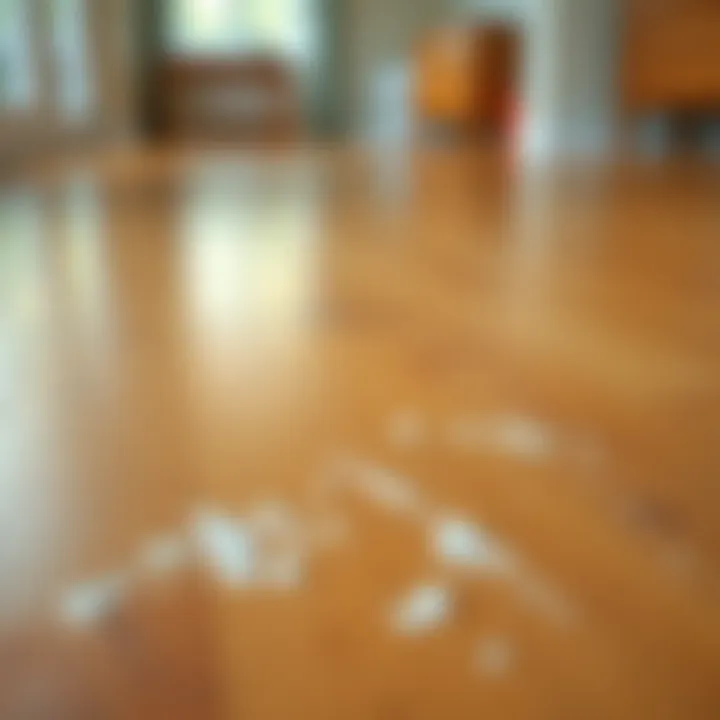
Scuff marks are often the most common blemishes found on wood floors. They are usually caused by rubber-soled shoes, furniture, or other items being dragged across the surface. Identifying them is relatively simple; they tend to appear as light superficial traces or dark smudges against the wood grain.
To effectively tackle scuff marks, it’s crucial to act sooner rather than later. Left unattended, they can become embedded deeper into the wood's finish, making them harder to remove. Investing some time in learning how to identify and treat these marks can save considerable effort down the line.
Understanding Water Stains
Water stains can be particularly worrisome for homeowners, as they indicate moisture penetration. Such stains often appear as dark patches or cloudy spots, which can mar the beautiful sheen of your wood floors. Understanding the type of water stain—whether it’s from a leaky plant pot or spilled liquids—is key to addressing the problem.
Most water stains are surface-level issues, but if humidity levels are consistently high in your home, stains can seep deeper into wood fibers. This knowledge encourages timely intervention, potentially utilizing methods such as the heat and iron technique for effective removal.
Analyzing Scratches
Scratches present a different challenge altogether. They can range from tiny surface nicks to deeper grooves that compromise the finish. Evaluating the depth of a scratch is crucial; the methods used for a light surface scratch will differ from those required for a deeper gouge that penetrates the wood.
For this purpose, wood fillers are often the go-to solution when dealing with deeper scratches. However, identifying the type of finish on your wood floor also plays a significant role. Some finishes allow for sanding and restoration, while others may need a complete reapplication of finish after repair.
Evaluating Other Common Marks
Beyond scuffs, water marks, and scratches, various other marks can appear on wood floors. These may include unsightly paint stains, adhesive residue from removed decals, or even grease and oil marks from cooking or furniture placements. Each mark has its own nuances, and recognizing their nature is crucial for selecting the correct removal technique.
For instance, paint stains can often be removed using solvents, while adhesive residues may require scraping or specialized cleaning agents. Likewise, addressing grease stains calls for a different approach, often necessitating a degreaser to restore the floor's integrity.
Understanding these various types of marks not only equips you with the knowledge needed for their removal but fortifies the foundation for an effective wood floor care regimen. It casts light on the unique challenges faced and the appropriate strategies to address them, ensuring your wood floors remain both functional and beautiful.
Preparation for Cleaning
Before diving into the actual cleaning process of wood floors, having a solid preparation phase is crucial. Think of it as setting the stage for a performance—without the right setup, the outcome could be less than stellar. By preparing properly, you will not only make the cleaning process smoother but also protect your wood floors from potential damage caused by inappropriate cleaning methods.
Gathering Necessary Tools
When it comes to cleaning wood floors, having the right tools can make all the difference. You wouldn’t go into a battle without armor, right? Here’s a list of essential tools to have on hand:
- Microfiber mop: Gentle on wood but effective in trapping dust and dirt.
- Soft cloths: For applying cleaning solutions and drying off.
- Bucket: For mixing cleaning solutions and rinsing your mop.
- Baking soda: An excellent natural abrasive for tougher marks.
- Vinegar: A versatile cleaner that can tackle a range of stains when diluted properly.
- Paint scraper: Useful if you’re dealing with stubborn, dried-on substances.
Having these tools ready will not only save time but will also ensure that you're fully equipped to tackle various types of marks effectively.
Testing Cleaning Products
Not every wood floor is created equal, and similarly, not every cleaning product is appropriate for all finishes. Testing cleaning products before applying them widely is like tasting a dish before serving it to guests—you want to ensure it's safe and effective. To test, follow these steps:
- Choose an inconspicuous area: Look for a corner or a spot that isn't easily visible.
- Apply the product: Use a soft cloth to apply a small amount of the cleaner to the surface.
- Wipe and observe: After a few minutes, wipe the area with a damp cloth and check for any discoloration or adverse reactions.
- Evaluate the outcome: If all is well, you can proceed; if not, look for another product.
Remember, avoid heavy chemical cleaners since they might damage the finish and overall integrity of the wood floor.
Setting Up a Cleaning Area
Once you have your tools and have tested your cleaning agents, the next step is to set up a dedicated cleaning area. This means choosing a space that allows you to move freely while minimizing the risk of scratching or damaging the floors. Here’s how to do it:
- Clear the Floor: Remove furniture and any delicate items from the area you plan to clean.
- Check for Debris: Sweep or vacuum to eliminate loose dirt that could be ground into the wood during cleaning.
- Establish a Workflow: Work from one end of the room to the other to ensure that you don’t miss any spots and to keep foot traffic out of cleaned areas until they dry.
"An ounce of prevention is worth a pound of cure." Setting up your cleaning environment thoughtfully is a crucial step in ensuring effective mark removal and preserving the beauty of your wood floors.
With these preparations in place, you're ready to tackle the marks on your wood floors effectively. The next step will guide you through specific techniques tailored to different types of marks, ensuring your floors regain their glory.
Techniques for Removal
When it comes to the upkeep of wood floors, removal techniques play a pivotal role. Understanding the best methods for tackling specific marks can prolong the life and appearance of your flooring. Not only do properly executed techniques help restore the shine and luster of your wood floors, but they also contribute to maintaining their value over time. Homeowners face various challenges, from scuff marks to stubborn stains, making it crucial to master a variety of techniques for removal.
Removing Scuff Marks
Use of Eraser
The use of an eraser, particularly a classic pink rubber one, is often underrated, but it packs a punch when it comes to removing scuff marks from wood floors. This unassuming tool works wonders on minor blemishes, offering a gentle yet effective means of refreshment. Just a few strokes with an eraser can lift away those marks without scratching or damaging the surface. The beauty of using an eraser lies in its accessibility and ease of use.
One might argue that the eraser is a beneficial choice because it's non-toxic and doesn’t leave behind chemical residues. A potential downside, however, is that it may not work as effectively on deeper marks. For light scuffs, it's a go-to solution, but if the mark is particularly stubborn, one might need to step up the cleaning game.
Facilitating with Baking Soda
Baking soda is another popular option when it comes to addressing scuff marks. This common household item serves dual purposes—it’s not just a leavening agent; it’s also a natural abrasive. Mixing it with water to create a paste allows it to be applied similarly to a mild scrub. The gritty texture helps to lift scuff marks without damaging the wood finish.
What makes baking soda particularly advantageous is its versatility. It’s also effective for various surface types beyond just wood. Nevertheless, one should consider that overusing this gritty mixture could dull the sheen of the floor if not used cautiously.
Applying Vinegar Solutions
Utilizing diluted vinegar solutions can be a stellar method for tackling scuff marks effectively. Vinegar, particularly white vinegar, has natural acetic properties that act as a mild solvent, working to break down the grime without harming the wood. When applied sparingly with a soft cloth, it can rejuvenate the appearance of your floors effectively.
One of the hallmark characteristics of vinegar is that it doesn’t leave behind harmful residues, making it an eco-friendly choice. However, improper dilution might lead to a lingering scent, which could be undesirable for some homeowners. Overall, mixing vinegar with water can turn your scuffed floors back into little pieces of art.
Addressing Water Stains
Utilizing Heat and Iron Method
The heat and iron method can be particularly effective for those pesky water stains that refuse to budge. Essentially, this technique involves laying a clean cloth over the stained area and gently placing a warm iron on top of it. The heat of the iron can draw out moisture trapped in the wood, lifting the stain.
A key characteristic of this method is its efficiency—it’s often surprising how well it can penetrate the existing finish to restore clarity. However, one must be cautious; excessive heat can potentially damage the wood. Always start with the lowest setting on your iron to avoid any unfortunate mishaps.
Employing Olive Oil and Vinegar
For a more natural approach, mixing olive oil and vinegar allows homeowners to tackle water stains with relative ease. This combination not only lifts stains but also provides a nice finishing touch to the wood, leaving behind a subtle sheen. The idea here is that the olive oil acts as a moisturizer, helping to restore moisture lost from the wood over time.
What’s appealing about this solution is its safe ingredients, making it a kitchen staple. On the flip side, the oily residue can attract dirt if not wiped properly, thus requiring careful application.
Using Professional Cleaning Solutions
When all else fails, turning to professional cleaning solutions might be in order. These products often contain specific formulas designed to penetrate stains more effectively than homemade remedies. Using a professional cleaner can yield fast results, especially for deeply set watermarks that resist DIY methods.
The main draw of these solutions is their efficiency and ability to tackle tough stains without risking damage to the wood. Yet, buyers should be aware that some commercial cleaners contain harsh chemicals that might wear down the finish over time if not used properly. Always check for compatibility with your specific wood type before diving into a cleaning spree.
Fixing Scratches
Wood Fillers and Stains
When dealing with scratches, wood fillers and stains are often the favored options among homeowners seeking to restore their floors. These fillers can be seamlessly applied to the scratched area, filling in gaps and preventing future degradation. After applying, a dab of stain can match the area to the surrounding wood, giving a cohesive appearance.
What sets wood fillers apart is their ability to blend imperfections while ensuring the wood retains its natural luster. However, one must take care to choose the correct hue as mismatched stains can stand out and be quite glaring.
Sanding Techniques
Sanding techniques are particularly effective for scratches that are deeper or more extensive. This method involves using sandpaper to gently smooth out the affected area, effectively stripping away the top layer of finish that has been marred. Once the scratch is sanded down, reapplying the appropriate finish can bring things back to life.
A highlight of this technique is its ability to not only address scratches but also rejuvenate the overall surface of the wood. The downside could be that over-sanding may lead to uneven surfaces or risks of further damage. Thus, it is recommended to proceed cautiously.
Reapplying Finish
After addressing scratches through sanding, the next step is often reapplying finish. When done correctly, this technique serves to protect the wood from future wear and tear while restoring its original beauty. The choice of finish can vary, with options like polyurethane providing a robust protective layer.
The beauty of reapplying finish lies in its dual function—this process not only repairs the existing damage but also reinforces the overall strength of the floor. However, meticulous preparation is key, as skipping steps can lead to unsatisfactory results and visible streaks.
Tackling Other Marks
Dealing with Paint Stains
Paint stains can be particularly insidious, requiring targeted strategies for removal. One effective approach involves using a mix of warm, soapy water to loosen the paint before scraping it gently with a plastic scraper. This method minimizes the risk of damaging the wood.
The essential aspect of this technique is patience, as rushing the process may lead to deeper scratches beyond just the initial paint stain. A benefit of this technique is its minimal reliance on harsh chemicals, making it safer for residential environments. However, one has to be cautious, as some paint types may end up being more stubborn than others.
Removing Adhesive Residue
Adhesive residue can often leave floors looking dingy. For this, a combination of warm water, vinegar, and a cloth can work wonders. Rubbing the mixture gently can dissolve the adhesive without causing harm to the wood beneath.
The key selling point for this technique is its adaptability; it can easily be used on various types of adhesives. However, there's a risk that too much elbow grease could lead to unwanted surface scratches. Thus, gentle persistence is the name of the game.
Addressing Grease and Oil Marks
Grease and oil marks require prompt action to avoid deep absorption into the wood. A mixture of baking soda and dish soap can help absorb and lift the stain, leaving the surface unmarred. Applying the paste, allowing it a moment to sit, and cleaning it away can aid in maintaining the wood’s integrity.
This method's biggest advantage is its ability to utilize common household items, keeping the cleaning process practical. Nonetheless, users should be aware that vigorous scrubbing might lead to dulling of the finish, so it's best to tread carefully.
Preventative Measures
Maintaining the charm of wood floors is no small feat. To keep them looking their best, one must look beyond the occasional cleaning and consider a holistic approach to care. Preventative measures play a crucial role in preserving the quality and elegance of your wooden surfaces. Implementing sound practices can ward off the accumulation of stains, scratches, and scuffs that often mar their beauty. It is simply smarter to take proactive steps rather than waiting for a repair job down the line. By investing in a few effective techniques, homeowners can avoid headaches and cultivate a long-lasting relationship with their wood floors.
Regular Maintenance Routines
Devising a routine for maintenance is tantamount to nurturing your wood floors. This means not only routine cleaning but also regular checks for potential damage. Here’s how to go about it:
- Sweep or Vacuum: Keeping dust and small particles at bay should be your first line of defense. Relying on a soft-bristled broom or a vacuum with a hardwood floor attachment can protect the finish.
- Mop Wisely: Use a damp mop with a wood-safe cleaner about once a week. Too much moisture can warp floors, so be cautious to avoid heavy saturation.
- Inspect Regularly: Occasional checks can help catch minor issues before they turn into major headaches. Look closely for signs of wear or moisture, and tackle them promptly.
By incorporating these habits into your cleaning schedule, you can maintain a beautiful floor while minimizing wear and tear.
Effective Use of Area Rugs
The strategic placement of area rugs can act like a guardian for your wood floors, absorbing the brunt of foot traffic and inevitable spills. Choosing quality rugs involves considering both aesthetics and practical applications. Here’s what to keep in mind:
- Placement: Position rugs at entryways and high-traffic areas to provide ample coverage. This also serves to enhance the room’s design by breaking up large expanses of wood.
- Material Matters: Opt for rugs made from natural fibers which are less likely to cause scratches. Materials like cotton and jute tend to be gentler on wood floors.
- Regular Cleaning: Just like with the floors, regularly cleaning rugs is essential. They can trap dirt and grit that may scratch the floor surface underneath. Don’t forget to rotate them occasionally to ensure even fading and wear. Using area rugs effectively can provide not only a practical layer of protection but also add a cozy aesthetic to your living spaces.
Proper Furniture Pads
An often underappreciated element in floor preservation is the use of furniture pads. These small heroes bear the weight of your furnishings while preventing scratches and dents on wooden surfaces. Consider the following tips when choosing and using them:
- Material Selection: Go for high-density felt or rubber pads that stand the test of time. Avoid anything with a hard surface that may scuff or scratch the wood.
- Size and Shape: Ensure the pads cover the entire base of your furniture legs. Small pads can easily slip and leave marks behind.
- Regular Checks: Keep an eye on the pads to ensure they remain intact. Replacement may be necessary as pads wear down over time.
With the right furniture pads in place, homeowners can enjoy their living space without constantly worrying about unintentional scratches or gouges.
"An ounce of prevention is worth a pound of cure." Adopting these preventative measures may require a little time and effort upfront, but your wood floors will thank you for it in the long run. Keeping your wooden spaces looking fresh not only enhances your home’s aesthetic but also affirms your dedication to maintaining a pristine and welcoming environment.
Understanding the Limitations
When it comes to maintaining your wood floors, understanding the limitations is crucial. Wood, as a natural material, has its own set of characteristics that can dictate how well it responds to various cleaning techniques. Not every mark can be removed just by elbow grease or household solutions; some might require professional intervention.
Knowing which marks are treatable and which may need expert attention keeps you from wasting time and resources. For instance, deep scratches might not react well to DIY methods like sanding or staining and could actually worsen if tackled incorrectly. Proper evaluation can prevent further damage and expense.
Recognizing When to Seek Professional Help
There are moments when a seemingly innocent mark could become a headache if not handled properly. If you notice that a stain or scratch feels deeper than expected or that attempts to remove it just make it worse, it may be a good time to think about getting professional help. Missteps in DIY can lead to irreversible damage, which is not something you want on your fine wood floor.
Consider consulting a professional when:
- The damage is extensive, involving deep gouges that affect the floor's integrity.
- The attempt at removal has resulted in discoloration or damage to the floor’s finish.
- You simply don’t have the time or feeling of confidence to tackle the problem.
Seeking help might come with a cost, but weighing that against the potential for further damage is pivotal.
Evaluating Cost vs. DIY Solutions
Before you roll up your sleeves, it’s wise to evaluate the cost of professional cleaning services against your DIY efforts. DIY methods often seem appealing due to their affordability, but they don’t always guarantee success.
Here are some considerations:
- Cost of Supplies: Sometimes, the tools and products required for DIY solutions can add up. If you end up buying several products to tackle the same issue, it might not be worth it.
- Value of Your Time: If you're spending hours on an issue that a professional could resolve in minutes, think about how you value your time.
- Long-term Effects: A poorly executed repair can lead to more significant issues down the line, costing you more than a professional service would have.
Ultimately, it’s about finding balance. If your floor’s health is at stake, sometimes calling in an expert can save you money in the long run.
Finale
Recap of Key Techniques
Throughout this guide, we have highlighted several effective methods for addressing marks on wood floors. Here’s a quick rundown of the most notable techniques:
- Scuff Marks:
- Water Stains:
- Scratches:
- Other Marks:
- Use of Eraser: Simple yet effective, an eraser can lift scuff marks without damaging the floor.
- Baking Soda: A paste made of baking soda and water can gently scrub away stubborn marks.
- Vinegar Solutions: Mixing vinegar with water serves as a great natural cleaner.
- Iron Method: This technique uses heat to lift the stain, combining a cloth and a warm iron.
- Olive Oil and Vinegar: A blend of these two can serve dual purposes—cleaning and conditioning the wood.
- Professional Solutions: For tough stains, consider professional-grade cleaning solutions designed for wood.
- Wood Fillers: These can hide scratches effectively, helping align your floor's appearance.
- Sanding: If the scratch is deeper, sanding may be necessary followed by a fresh finish application.
- Paint Stains: Use a plastic scraper or a solvent for paint marks.
- Adhesive Residue: Rubbing alcohol can sometimes do the trick here.
- Grease Stains: Cornstarch can absorb grease effectively.
This summary serves to reinforce the importance of tailoring the removal strategy to the specific type of mark. By doing so, not only can you maintain the beauty of your wood floors, but you also ensure they remain a timeless feature in your home.
Final Thoughts on Wood Floor Care
Maintaining your wood floors can require effort, but recognizing the importance of proper care will yield dividends in the long run. In the end, consistency is key—keep your wood floors clean, avoid harsh chemicals, and consider investing in preventative measures like area rugs and furniture pads.
Remember, your floors tell a story, and how they are cared for reflects your personal style and attention to detail. So treat them well, and they will continue to grace your home with elegance for years to come.